October 19, 2026
A vehicle collision can be stressful and disruptive, but restoring your car to its pre-accident condition doesn't have to be an overwhelming, chaotic ordeal. Knowing what happens behind the scenes at a collision center helps eliminate uncertainty, reduces anxiety, and empowers you to make informed decisions about your vehicle's care. From the moment you pull into the facility for an initial damage assessment to the final keys-in-hand delivery, a series of structured, highly technical steps ensures your car receives proper structural, mechanical, and cosmetic attention. According to Gitnux, a quarter of consumers experience anxiety during collision repairs because of a lack of process transparency. Maintaining open communication with your repair center ensures you remain fully updated on every phase of your car's progress. Understanding each stage of repair gives you complete peace of mind, ensuring you know exactly what to expect as trained professionals work to get your car back on the road safely and efficiently.
Initiating the Process With Detailed Vehicle Inspection and Insurance Coordination
The collision recovery journey begins with a thorough initial consultation and detailed visual assessment of the exterior damage. During this preliminary phase, certified body technicians capture high-resolution photographs, document all visible impact points, and create an itemized estimate outlining necessary labor, materials, and parts. If you are filing a claim through an insurance provider, the repair facility coordinates directly with your claims adjuster to establish baseline coverage, submit diagnostic reports, and streamline administrative paperwork. Facilities offering comprehensive auto repair services guide you through every detail of your claim, explaining deductible payments, policy coverage nuances, and rental car arrangements. Establishing clear communication during this foundational stage sets realistic expectations regarding project timelines and guarantees all administrative requirements are fulfilled before physical disassembly begins on the shop floor.
Performing Deep Disassembly to Reveal Hidden Undercarriage Damage
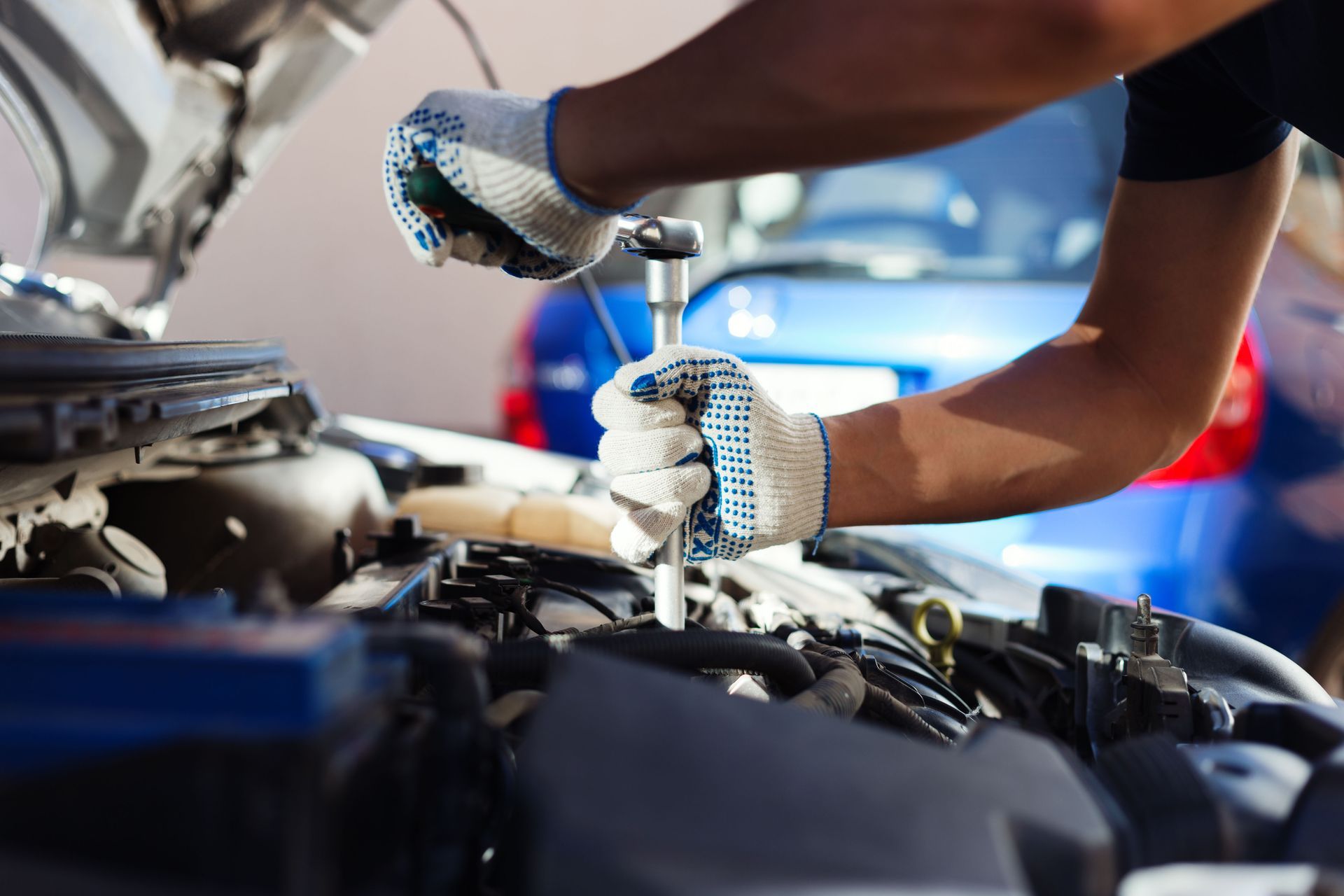
While outer body panels may show obvious surface dents or cracked bumpers, underlying vehicle structures often sustain severe, unseen mechanical or electrical damage during an impact. Once the preliminary estimate receives initial approval, technicians systematically disassemble the affected sections of the vehicle to inspect internal frame supports, suspension arms, wiring harnesses, and electronic sensor arrays. Exposing hidden structural components early prevents unexpected delays once official reconstruction begins. Discovering secondary damage during teardown is a routine part of vehicle restoration that requires creating and submitting a supplemental estimate to your insurance provider for final authorization. Relying on professional auto repair services during deep disassembly guarantees that hidden frame misalignments, cracked radiator supports, bent axles, or compromised cooling systems are fully identified and accounted for before reconstruction work starts.
Ordering Precision Replacement Components and Sourcing Specialty Parts
Once the complete scope of structural and cosmetic damage is fully documented and authorized, the shop begins ordering necessary replacement components. Depending on your vehicle's make, model, age, and specific insurance policy guidelines, replacement parts may include Original Equipment Manufacturer components, high-quality certified aftermarket alternatives, or reconditioned original parts. Managing parts procurement efficiently is critical to avoiding project bottlenecks and keeping your overall repair schedule moving forward without unnecessary delays. Sourcing exact-fit factory components ensures that replacement panels line up perfectly with adjacent factory bodywork. Facilities providing specialized auto repair services closely track part deliveries, inspect incoming components for shipping defects, and test-fit body panels to verify precise structural alignment before sending the vehicle into the metal repair bay.
Restoring Structural Integrity and Performing Precision Frame Realignment
Ensuring your vehicle's structural frame conforms precisely to original factory geometry is vital for passenger safety, vehicle handling, and long-term tire alignment. Technicians secure the vehicle onto specialized computerized frame-measuring equipment capable of detecting micro-millimeters of frame or unibody displacement caused by collision forces. Heavy-duty hydraulic towers then exert carefully controlled multi-directional tension to pull the chassis back into exact manufacturer tolerances. Utilizing advanced auto repair services for structural realignment guarantees that vehicle crumple zones, side-impact protection bars, and airbag deployment sensors will function correctly in the event of any future roadway impacts.
Executing Sheet Metal Reconstruction and Surface Panel Preparation
After structural frame alignment is verified against factory blueprints, technicians turn their focus to repairing or replacing damaged exterior body panels. Dented steel or aluminum panels are meticulously reshaped using specialized metal-shaping tools, while severely compromised or torn panels are removed and replaced with fresh sheet metal or composite materials. Technicians apply specialized body fillers in thin, controlled layers to smooth out minor surface imperfections, followed by rigorous hand-sanding and block-sanding to create a seamless, perfectly contoured surface finish. Professional auto repair services ensure that panel gaps align uniformly across neighboring doors, hoods, trunk lids, and fenders, establishing a smooth, flawless canvas for the upcoming painting stage.
Applying Factory Color Matching and Multi-Coat Refinishing
Refinishing vehicle panels requires a climate-controlled, dust-free environment and precise technical skill to match your car's original factory paint formulation. Technicians utilize computerized color-matching technology and digital spectrophotometers to mix exact paint formulas, accounting for natural sun fading and metallic flake distribution to ensure an invisible blend with existing panels. The vehicle enters a sealed, downdraft spray booth where high-grade primer, base coat color, and protective clear coats are applied under carefully regulated temperature and humidity conditions. Applying multiple coats of clear coat provides long-lasting defense against sun fading and environmental oxidation. Choosing top-tier auto repair services ensures your vehicle receives durable, UV-resistant paint layers that restore showroom luster and shield underlying body panels from environmental corrosion.
Reassembling Internal Components and Calibrating Advanced Safety Systems
With the fresh paint finish thoroughly cured under infrared heat lamps, technicians begin reassembling interior trim panels, exterior lighting assemblies, door handles, molding strips, and mechanical sub-assemblies. Modern vehicles rely heavily on Advanced Driver Assistance Systems, including radar sensors, camera arrays, ultrasound parking detectors, and blind-spot monitors located directly behind bumper covers, grilles, and windshield glass. Reconnecting these delicate digital networks requires precise electronic recalibration using specialized factory-grade diagnostic scanning software. Partnering with certified auto repair services ensures that all electronic safety features, driver-assist cameras, and onboard computer systems are fully recalibrated to factory specifications before the vehicle undergoes road testing.
Conducting Final Quality Inspections and Vehicle Detailing
Before returning your vehicle keys, the collision center conducts a comprehensive quality assurance check and rigorous multi-point test drive. Experienced shop managers inspect the body for paint finish smoothness, test all electrical functions, check fluid levels, verify wheel alignment settings, and confirm that all safety systems operate without diagnostic error codes. A thorough test drive confirms that steering alignment and safety sensors function flawlessly on the open road. The vehicle then undergoes a complete exterior hand wash and interior detailing to remove lingering sanding dust, shop residue, and technician hand marks from cabin surfaces. Utilizing comprehensive auto repair services guarantees that your vehicle is returned in pristine condition, fully restored to its pre-accident safety standards, structural strength, and aesthetic appeal.
Collision repairs don't have to be confusing or stressful when you work with transparent, dedicated automotive professionals. By understanding the detailed stages of inspection, structural frame straightening, precision painting, and digital safety calibration, you can monitor your vehicle's progress with total clarity and confidence. Investing in high-quality body restoration protects your vehicle's resale value, preserves its structural integrity, and ensures your family's safety every time you hit the open road. Contact Point Loma Collision & Auto Repair & Auto Glass today to schedule your comprehensive repair estimate and experience seamless, expert service from start to finish!